Wetlands are among the most productive ecosystems on earth.
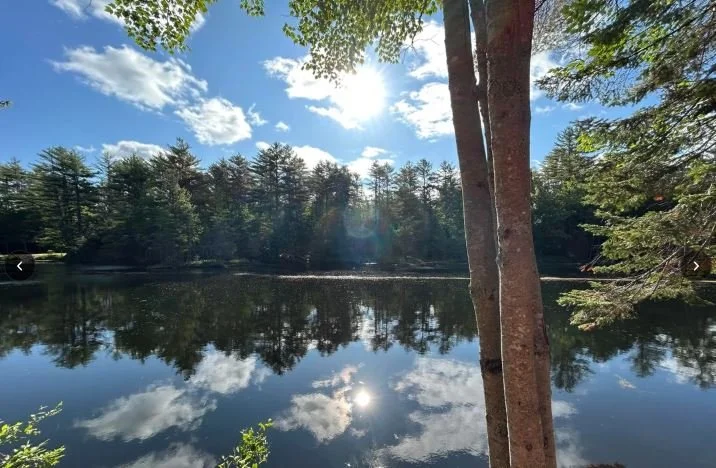
The town of Lisbon features extensive freshwater wetland systems clustered tightly around its primary river networks, particularly the Androscoggin River, the Sabattus River, and the Little River.
Local planning maps from the Maine Department of Inland Fisheries and Wildlife highlight these vital riparian buffers, which safeguard local water quality, mitigate town flooding, and protect essential regional fisheries.
Types of Wetlands in Lisbon
Lisbon's local landscape consists primarily of these freshwater wetland varieties:
Forested Wetlands
These are the town's most prominent wetland types. Regulated by the Lisbon Zoning Ordinance, they are dominated by woody tree species standing 19.7 feet or taller.
Scrub-Shrub & Emergent Wetlands
Found in lower-lying, waterlogged transition areas along the town's rivers, these areas are filled with thick thickets, marsh grasses, and seasonal pools.
Where to Experience Lisbon's Wetlands
While much of Lisbon's wetland acreage sits on protected, trackless rural zones or private properties, you can explore their unique ecology at several accessible public parks and nearby preserves:
Beaver Park Pinewoods Rd
This expansive municipal park features pristine, unpolluted ponds and forested trail networks that double as dynamic local wetland habitats.
Papermill Trail & Miller Park ME-196
A paved, 2-mile recreational path that winds directly along the Androscoggin River. It gives visitors a clear look at how local riverbank wetlands operate as natural buffers.
Other Examples of Wetlands Related to and Around Lisbon
Little River Preserve Gorham, ME
Managed by the Brunswick-Topsham Land Trust, this 4.7-acre parcel provides an undeveloped forested buffer right at the confluence of the Little and Androscoggin Rivers. It offers excellent, raw wetland habitat and public fishing access.
Garcelon Bog Conservation Area Lewiston, ME
Located just outside Lisbon, this massive 100-acre protected wetland features a dedicated public boardwalk. It is one of the best spots in the immediate tri-county area to study emergent and open-water marsh ecosystems safely.
Local Protections and Ordinances
Because wetlands keep the Androscoggin River basin clean, any local construction or clearing near them is strictly monitored. Under Maine's Natural Resources Protection Act (NRPA) and local shoreland zoning rules, structural setbacks typically mandate a 75-foot buffer zone around medium wetlands and a 100-foot buffer zone around larger wetlands exceeding 10 acres.
They act as natural sponges to absorb floodwaters and as kidneys to filter out pollutants. They serve as critical habitats and nurseries for a wide variety of wildlife, and they store vast amounts of carbon to help stabilize the global climate.
These dynamic environments provide several highly specific benefits to the environment:
Water Filtration: As natural water filters, wetlands trap excess sediment and absorb harmful pollutants from fertilizers, runoff, and wastewater before they can reach larger lakes, rivers, or oceans.
Flood Control & Protection: Their dense vegetation and spongy soils slow down the momentum of floodwaters and coastal storm surges. This reduces downstream flood damage and protects shorelines from erosion.
Wildlife & Fish Habitats: Wetlands provide shelter, nesting sites, and essential nursery grounds for countless species of fish, birds, amphibians, and mammals. They also serve as vital stopovers for migrating waterfowl.
Carbon Storage: Wetland plants and waterlogged soils (hydric soils) are highly effective carbon sinks. They lock away immense amounts of carbon dioxide, keeping it out of the atmosphere and helping to mitigate climate change.